
Prefab Construction: The Hidden Challenges For Modular Buildings
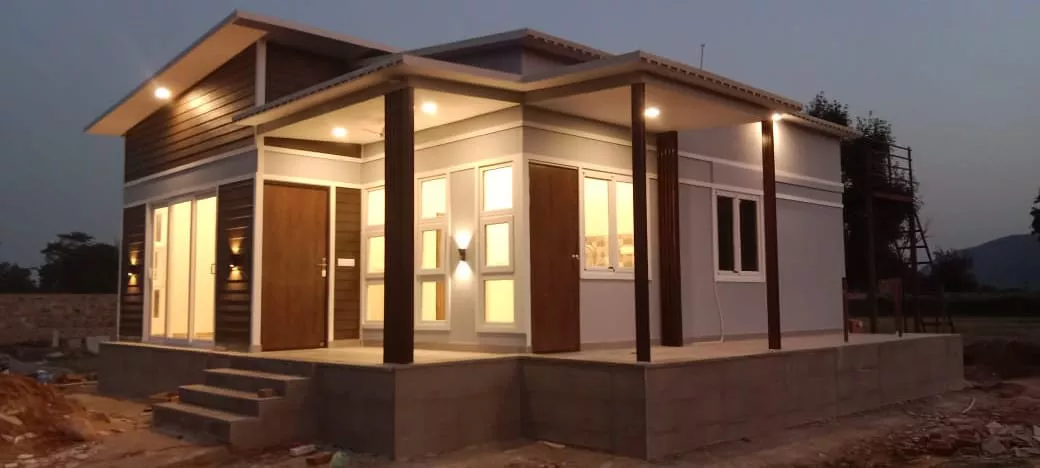
The traditional construction method uses on-site labour and is dependent on weather conditions. This can lead to delays, cost overruns and inconsistent quality. Modular construction has helped transform the construction sector into a streamlined, tech-enabled industry.
Modular construction involves off-site manufacturing of standardised building components, which are assembled on the construction site. It is like a set of Lego blocks, such as walls, floors, ceilings, and even entire rooms, which can be delivered and stacked into place.
Unlike traditional construction, where the raw materials are brought to the site and then assembled piece by piece, modular construction shifts the major work to an off-site environment. This enables greater control over quality, reduced dependency on weather and site logistics, and faster turnaround times.
The key benefits of modular construction are: faster completion times, as the components can be assembled quickly; extremely beneficial for time-sensitive builds; factory settings reduce material wastage and promote sustainable construction practices; indoor construction leads to consistent progress regardless of weather; and better quality control.
These benefits have transformed into significant market momentum. The global modular construction market is expected to grow to USD 140.8 billion by 2029. However, modular construction adds a set of safety risks which should not be ignored.
Risks involved in modular construction
The construction work gets divided into off-site manufacturing, transportation and on-site assembly. This adds layers of complexity which the traditional construction rarely faces. Modular construction has a reputation for being better, but evidence shows a pattern of accidents in the prefab sector.
The accidents occur in the supposedly safer off-site production, which shows deep-rooted vulnerabilities in the prefab process. The data show that many accidents are linked to poor handling of heavy components, especially during cutting and lifting inside the off-site facility.
The factory setting is considered to be safer due to climate control, standard procedures and automation. However, the prefab construction involves the use of cranes, heavy-duty cutting tools, machinery, concrete panels and utility lines. Workers have to operate in tight quarters with large components where one small misstep can lead to severe injuries.
Many incidents are caused by overhead cranes, falling modules, and rotating machinery and saws. With high targets and timelines, the risk of human error and overlooked maintenance increases significantly.
Once the components are produced in the factory, they are transported to the construction site via trucks or trailers. The transportation may be a logistical task but poses severe structural and safety risks. If not properly secured, the components may shift, detach, or tilt during transit.
Common risks include mechanical failure of trailers and shifting of components during stops or turns. Load imbalance and accidental contact with low-hanging power lines or overpasses.
Proper installation of a pre fabricated house involves millimetre-level alignment to ensure the load paths are aligned correctly, and seismic and wind load tolerances are maintained. When workers manually align them, it can cause pinch-point injuries.
Such a situation can lead to a multi-ton crushing accident, which can be fatal. Once installed, the components have to be connected for utilities, which have much tighter tolerances.